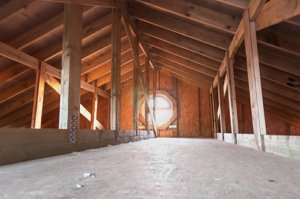
Loft conversions remain one of the most popular ways to increase living space and add value to a property. Whether you are creating an additional bedroom, home office or self-contained living area, it is important to understand that most loft conversions require structural calculations to satisfy Building Regulations and ensure the safety of the building.
Why Are Structural Calculations Required?
The roof structure of a typical house was not originally designed to support the loads associated with habitable accommodation. A loft conversion introduces additional weight from:
- New floor structures
- Internal partitions
- Insulation and finishes
- Furniture and occupants
- Dormer constructions
- Rooflights and alterations to the roof
Structural calculations demonstrate that the proposed alterations can safely support these additional loads without compromising the stability of the property.
New Floor Structures
One of the most common reasons structural calculations are required is the installation of a new floor.
The existing ceiling joists in most houses are designed only to support the ceiling below and light storage. They are generally not suitable for supporting a habitable room.
A structural engineer will typically design new floor joists or steel beams to carry the floor loads and transfer them safely to the supporting walls.
Steel Beams
Many loft conversions require steel beams to support:
- New floor joists
- Altered roof structures
- Dormer openings
- Removed internal supports
Structural calculations are required to determine the size, strength and bearing requirements of these beams.
Building Control will normally require these calculations before approving the work.
Dormer Conversions
Dormer conversions often involve removing sections of the existing roof structure.
Where rafters, purlins or supporting members are altered or removed, structural calculations are usually required to ensure the remaining structure remains stable and adequately supported.
Roof Alterations
Structural calculations may also be necessary where:
- Roof trusses are modified
- Chimney supports are affected
- Large rooflights are installed
- Ridge beams are introduced
- Existing timbers show signs of deterioration
Each alteration must be assessed individually to determine its impact on the overall structure.
Building Regulations Requirements
Building Regulations approval is required for most loft conversions.
As part of the approval process, Building Control officers will typically request:
- Structural calculations
- Structural drawings
- Beam specifications
- Connection details
Without suitable calculations, Building Control may refuse approval or request further information before work can proceed.
What Information Does a Structural Engineer Need?
To prepare structural calculations, a structural engineer will typically inspect the property and assess:
- Existing roof construction
- Wall locations and thicknesses
- Span dimensions
- Foundation arrangements where relevant
- Proposed layout and alterations
Following the inspection, calculations and structural drawings can be prepared for submission to Building Control and contractors.
Early Advice Can Save Time and Money
Many loft conversion projects encounter delays because structural considerations are addressed too late in the design process.
Obtaining structural advice at an early stage can help identify potential constraints, avoid costly redesigns and ensure the project progresses smoothly.
How Adkins Consultants Can Help
At Adkins Consultants, we provide structural inspections, calculations and drawings for loft conversions across Kent and the South East. We can deal with associated Party Wall Matters too.
Whether you are a homeowner, architect or developer, our experienced structural engineers can help ensure your loft conversion complies with Building Regulations and is designed safely and efficiently.
If you are considering a loft conversion, contact our team to discuss your project and obtain professional structural advice.